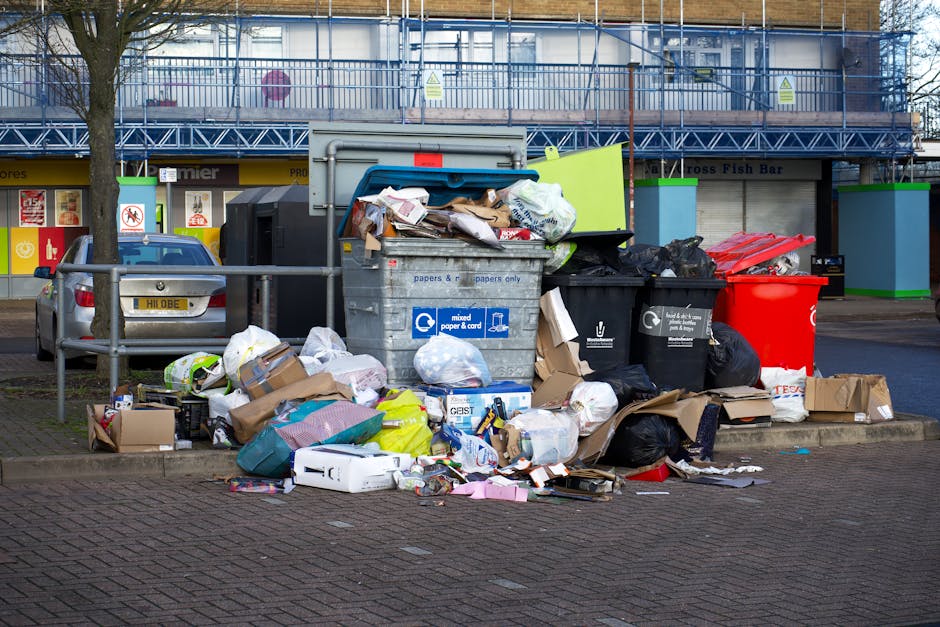
Merton Council Rules for Carpet Disposal in SW19: What Residents Need to Know
If you are trying to get rid of an old carpet in SW19, the rules can feel oddly specific for something that seems so simple. Roll it up, take it out, job done, right? Not quite. Merton Council rules for carpet disposal in SW19 usually come down to size, transport, recycling potential, and whether your carpet is being treated as household waste or bulky waste. Get it wrong and you can end up with an awkward missed collection, a carpet left by the bins, or a trip to a facility that may not accept it in the way you expected.
This guide explains the practical side of disposing of carpets in Merton, from preparing the carpet properly to deciding whether disposal, reuse, or professional removal makes more sense. It is written to help real people in real homes, not just tick an SEO box. If you are replacing a worn hallway runner, clearing out after a move, or dealing with a damp underlay that has had enough, you will find a sensible route through it here.
One quick note before we start: local waste rules can change, and collection services sometimes have practical restrictions even when the broad guidance stays the same. So think of this article as a clear, careful guide to the usual process and best practice, not a substitute for checking the latest council instructions where needed.
Table of Contents
- Why Merton Council rules for carpet disposal in SW19 Matters
- How Merton Council rules for carpet disposal in SW19 Works
- Key Benefits and Practical Advantages
- Who This Is For and When It Makes Sense
- Step-by-Step Guidance
- Expert Tips for Better Results
- Common Mistakes to Avoid
- Tools, Resources and Recommendations
- Law, Compliance, Standards, or Best Practice
- Options, Methods, or Comparison Table
- Case Study or Real-World Example
- Practical Checklist
- Conclusion
- Frequently Asked Questions
Why Merton Council rules for carpet disposal in SW19 Matters
Carpets are awkward waste items. They are bulky, often dirty, and they do not compress neatly into a household bin. That alone makes them different from everyday rubbish. In a place like SW19, where many homes have limited storage, shared bin areas, or tight access, ignoring the proper disposal route can become a real nuisance very quickly.
The main reason the rules matter is that carpets can affect more than your own household. Put simply, a carpet left on a pavement or beside communal bins can obstruct access, create a hazard, and attract complaints from neighbours. Nobody wants that. In a flat or maisonette, the problem is even more obvious because one person's "I'll sort it later" can turn into everyone else's mess by Monday morning.
There is also the recycling angle. Not every carpet can be recycled, but some parts may be recoverable depending on material type, contamination, and how the waste is handled. That is why disposal should be approached thoughtfully rather than as a quick dump-and-run job. A little extra care often means a cleaner outcome, less stress, and sometimes lower disposal effort overall.
It also matters from a practical budgeting point of view. If you are replacing carpet after a deep clean, renovation, or end of tenancy, you may already be arranging other home services. At that stage, it makes sense to think about the whole sequence: remove, transport, clean, and dispose responsibly. That kind of planning saves time. And, to be fair, it saves the sort of last-minute panic where you are standing in a hallway at 7:30pm with a rolled-up carpet and nowhere sensible to put it.
If you are upgrading flooring rather than just removing a damaged carpet, it can help to look at a related service such as professional carpet cleaning before deciding the carpet is beyond saving. In some homes, a deep clean is enough to extend the life of the flooring and avoid disposal altogether.
How Merton Council rules for carpet disposal in SW19 Works
At a practical level, carpet disposal in Merton tends to involve one of a few paths: reuse, council collection, recycling or recovery where available, or taking the carpet to an appropriate waste facility if that is permitted and practical for you. The right option depends on condition, quantity, access, and whether the carpet is still usable.
Most councils in London handle carpets as bulky waste rather than ordinary residual rubbish because of their size and material makeup. That usually means you should not expect a standard weekly bin collection to take it away. You will generally need to prepare the carpet, bundle it safely, and use the route allowed for larger household items. If you live in a shared building, your managing agent or landlord may also have rules about storing waste before collection. Those local details matter more than people think.
In simple terms, the process usually works like this: first decide whether the carpet can be reused, then separate any underlay, grippers, nails, or fixings, then roll and secure the carpet, and finally choose the correct disposal route. That sounds straightforward, but the difference between a smooth disposal and a frustrating one often comes down to the preparation step.
Carpets that are heavily wet, mouldy, contaminated with pet waste, or damaged beyond reasonable reuse should be treated carefully. In those cases, handling and containment matter more than trying to squeeze every last bit of value from the item. If the carpet came from a room affected by pets, a water leak, or stubborn staining, you may also want to consider whether specialised treatment or targeted stain removal could reduce the amount of waste you need to throw away.
For homes with rugs, the same broad thinking applies, though smaller items can sometimes be managed differently. A rug cleaning service, for example, might be a better first step than disposal if the item is structurally sound and still worth keeping.
Key Benefits and Practical Advantages
Following the correct disposal route is not just about staying tidy. It gives you a few very real advantages, especially in a busy London borough where space and time are always at a premium.
- Less risk of rejected waste: Properly prepared carpets are more likely to be accepted by the chosen disposal route.
- Cleaner communal areas: No one wants an old carpet sitting by shared bins for days.
- Better recycling potential: Separating carpet from underlay and fixings may make recovery easier.
- Safer handling: Rolled and secured carpets are easier to carry and less likely to cause trips or cuts.
- Less stress during renovations: You keep the room clear and the project moving.
- Fewer unexpected costs: Good planning helps avoid repeat trips, failed collections, or emergency disposal.
There is another benefit people overlook: better decision-making. Once you understand the disposal process, you can judge whether the carpet is actually waste or just in need of a proper clean. That distinction can be surprisingly valuable. A hall carpet with traffic marks may still respond well to steam carpet cleaning, while a damaged or waterlogged one may need to go.
For landlords, agents, and small businesses in SW19, the same logic often applies at larger scale. If you are dealing with repeated room turnovers or commercial premises, it may help to compare disposal with commercial carpet cleaning before you automatically replace flooring after every heavy-use cycle.
Who This Is For and When It Makes Sense
This guidance is for anyone in SW19 who needs to remove a carpet responsibly. That includes homeowners, tenants, landlords, letting agents, and small business owners. It is especially useful if you are trying to work out the difference between regular rubbish and bulky waste.
It also makes sense if you are in one of these situations:
- you have finished a refurbishment and the old carpet has to go;
- you are moving out and need to leave the property clear;
- you have a stained, wet, or damaged carpet after an accident;
- you are replacing carpet room by room and want a tidy staging plan;
- you are managing a rental turnaround and need a reliable process;
- you are trying to reduce waste by reusing or cleaning where possible.
Sometimes the decision is not obvious. For example, a living room carpet with a few dull patches may not need disposal at all. A thorough professional clean might be enough, especially if the pile is still intact. On the other hand, a carpet that smells musty after a leak can be a different story. The smell alone can tell you a lot, especially if the underlay has absorbed moisture. Truth be told, once a carpet has that deep damp smell, the odds of saving it drop quite fast.
If the item is attached to upholstery-heavy rooms or a full furniture refresh is underway, it can be helpful to think about the broader condition of the space too. Services like upholstery cleaning or sofa cleaning may be part of the same maintenance plan, especially if you are trying to keep existing furnishings rather than replacing everything at once.
Step-by-Step Guidance
If you want the easiest possible carpet disposal process, follow a clear sequence. Skipping steps is where most problems begin.
- Assess the carpet first. Ask whether it can be cleaned, reused, donated, or recycled before you decide on disposal. If it is only dirty, not destroyed, cleaning may be the smarter move.
- Remove any loose furniture and fittings. Take up door bars, trim pieces, and any leftover staples or tacks if it is safe to do so. A small floor tool or pliers can help here.
- Separate the underlay. Underlay is often handled differently from the carpet itself. Do not assume everything can be bundled together and forgotten about.
- Roll the carpet tightly. A compact roll is easier to carry and neater to store before collection. Start from one short end and keep the roll firm.
- Secure it properly. Use tape or strong ties so the roll does not unravel. That is especially important in stairwells or tight hallways.
- Check weight and size. Very large carpets may need to be cut down if local guidance allows it. This is where common sense meets local rules.
- Choose the right disposal route. Use the council's approved bulky waste route, an authorised collection service, or another permitted option.
- Keep the area clean. Sweep up grit, backing fragments, and old fixings so you are not leaving a hidden hazard behind.
Here is the bit that saves time: prepare the carpet as if you are handing it over to someone who has never seen your house before. Because, in a way, you are. A neat roll, safe edges, and no loose bits make the whole process smoother.
And if the carpet is being removed because you are restoring a room after a long period of wear, it can be worth doing a broader reset. Consider checking curtains, mats, and nearby fabrics too. If they are holding odours or dust, you may want to look at curtain cleaning or a broader fabric cleaning plan while the room is already clear.
Expert Tips for Better Results
Here are the little things that make a surprisingly big difference.
- Dry the carpet before moving it. A damp carpet is heavier, messier, and far more unpleasant to handle.
- Use the opportunity to inspect the floor. Once the carpet is up, check for hidden damp patches, lifted boards, or debris.
- Cut long carpets into manageable sections if allowed. A few smaller rolls are easier than one awkward monster roll.
- Protect corridors and stairs. Old carpet backing can shed grit and dust. It happens fast.
- Do not leave the underlay attached by habit. Separate materials tend to be handled more cleanly and sensibly.
- Think about reuse before disposal. A spare offcut can sometimes be kept for a hallway, utility space, or protection during decorating.
One practical tip from experience: do the lifting earlier in the day if you can. Morning light makes it easier to spot nails, staples, and stray debris, and you will be less likely to rush. Evening carpet removal has a tendency to become one of those jobs you instantly regret.
If your carpet has been removed because of a deep-set stain or pet accident, it is worth thinking about source control as well as disposal. Sometimes a specific issue in one room is a sign that a targeted treatment would have helped elsewhere. In those cases, pet stain odour removal can be a useful reference point for preventing the same problem from spreading to other soft furnishings.
Common Mistakes to Avoid
Most carpet disposal mistakes are not dramatic. They are small, annoying, and completely avoidable. Which is why they are so frustrating when they happen.
- Putting carpet out with normal refuse: It is bulky waste, not general bin bag waste.
- Not checking whether the carpet is reusable: Some carpets are thrown away too quickly.
- Forgetting underlay and fixings: The carpet may be gone, but the job is not finished.
- Leaving the roll loose: Unsecured carpet is awkward and can unravel halfway down the stairs.
- Dumping it outside too early: That can create nuisance, attract complaints, and cause a missed pickup problem.
- Ignoring damp or mould: Contaminated carpets need more careful handling.
- Assuming one size fits all: Domestic carpets, commercial flooring, rugs, and offcuts can all need different approaches.
There is also the classic mistake of deciding the carpet must be replaced when a clean would have done the job. It happens all the time. A room can look tired because of traffic marks, edge dust, or a spill pattern rather than actual structural wear. If you are unsure, a professional opinion may be cheaper than disposal and replacement combined.
A related point: if you are in a business setting or managing several rooms, do not underestimate the value of a routine care plan. It is easier to maintain a floor covering than to dispose of it repeatedly. For heavier-use environments, steam cleaning can be part of that maintenance cycle, especially where hygiene and appearance both matter.
Tools, Resources and Recommendations
You do not need a warehouse of equipment to dispose of a carpet properly. In most homes, a few basic tools are enough.
| Item | Why it helps | Best use |
|---|---|---|
| Heavy-duty gloves | Protect hands from staples, dust, and rough backing | Every removal job |
| Utility knife or carpet cutter | Helps cut large carpets into manageable sections | Only if cutting is safe and appropriate |
| Tape or strong ties | Keeps rolled carpet secure | Before storage or collection |
| Pliers or staple remover | Lifts old fixings from the floor | After carpet removal |
| Dustpan and brush | Clears grit and loose debris | After the carpet is lifted |
| Old sheet or dust cover | Protects clean flooring during movement | When carrying carpet through the home |
As a recommendation, keep the process simple. The fewer improvised steps, the better. If a carpet is too large or awkward to move alone, it is usually smarter to ask for help than to struggle and risk damage. That is not glamorous advice, but it is practical.
For readers weighing whether to clean, repair, or dispose of an item, the service pages on carpet care and steam carpet cleaning can be useful starting points. If the issue is a smaller floor covering, rug cleaning can sometimes preserve something that would otherwise end up in the waste stream.
Law, Compliance, Standards, or Best Practice
When it comes to carpet disposal, the key compliance idea is simple: waste should be handled responsibly, not abandoned, fly-tipped, or mixed into bins that are not designed for it. Household waste rules, local collection arrangements, and property-management requirements all tend to support that same basic principle.
From a best-practice perspective, carpets should be separated from other materials where possible, kept secure during handling, and disposed of through approved routes. If the carpet contains contaminated material, such as damp backing, pet-soiled sections, or heavy mould growth, extra care is sensible. Not everything is worth salvaging, but everything should be managed safely.
In rental properties, landlords and tenants may have separate responsibilities depending on what is being removed and why. A tenant replacing a carpet by choice may be in a different position from a landlord dealing with end-of-tenancy wear. The same goes for commercial premises. In those cases, keeping records of what was removed, when, and why can be useful. Not exciting, but useful.
One more point worth stressing: if you are unsure about the exact local collection requirements, do not guess. Waste rules often turn on small details like item size, preparation, or how much material is being collected. A minute spent checking can save a frustrating day later. That is especially true in London, where access, parking, and time windows can be tight.
Options, Methods, or Comparison Table
If you are deciding how to deal with an old carpet, compare your options honestly. Some are faster, some are cheaper, and some are simply more responsible depending on the condition of the item.
| Option | Best for | Pros | Trade-offs |
|---|---|---|---|
| Reuse or donation | Carpets in good condition | Reduces waste, keeps value in use | Not suitable for damaged or heavily soiled items |
| Cleaning and keeping | Carpets that are dirty but sound | Can be cheaper than replacement, extends lifespan | Won't fix structural damage or deep contamination |
| Bulky waste disposal | Old carpets that cannot be reused | Clear, practical, usually straightforward | Requires preparation and correct handling |
| Professional removal with broader refresh | Homes doing a full room reset | Convenient, efficient, less physical effort | May cost more than doing it yourself |
A sensible decision usually comes down to three questions: Is it still useful? Is it safe to keep? Will cleaning solve the real problem? If the answer is no across the board, disposal is the right call. If the carpet is still structurally sound, cleaning can be the better move, especially in family homes or rental properties where cost matters.
For example, a lounge carpet with a few dark traffic lanes may be a candidate for deep cleaning, while a bedroom carpet soaked after a leak may be more sensible to remove. Not every job deserves the same outcome.
Case Study or Real-World Example
A typical SW19 scenario goes like this. A family in a first-floor flat decides to replace the sitting room carpet after years of wear. At first glance, it looks simple: roll it up, get rid of it, done. But once the room is cleared, they find old gripper rods, a few rusty staples, and underlay that has trapped dust and bits of grit. The carpet itself is heavy, too. Very heavy.
Instead of trying to carry everything in one go, they split the job into stages. First they remove furniture and sweep the floor. Then they separate the underlay from the carpet. After that, they roll the carpet tightly, secure it, and store it safely until disposal. They also inspect the room and notice one section of the carpet is still in decent condition. That piece gets kept for a utility area, which saves a little money and avoids extra waste.
The result is not dramatic, but it is tidy, safe, and efficient. More importantly, the household avoids the common mess of leaving half a carpet in the hallway while trying to improvise the rest later. That sort of thing always seems manageable until it is sitting beside the front door, in the way, and starting to smell faintly dusty. We have all seen jobs like that.
This is also where a professional cleaning mindset can help. If the carpet had only been stained rather than damaged, a specialist service such as stain removal might have delayed replacement and reduced disposal needs. Sometimes the smartest waste decision is the one you do not need to make at all.
Practical Checklist
Use this checklist before you move the carpet out of the property.
- Check whether the carpet can be cleaned instead of disposed of.
- Remove furniture from the room.
- Lift any loose grippers, nails, or staples safely.
- Separate underlay and carpet if they are different materials.
- Roll the carpet tightly.
- Secure the roll with tape or ties.
- Make sure the carpet is dry.
- Clear dust, grit, and loose backing pieces.
- Confirm the correct disposal route for your situation.
- Avoid leaving the carpet outside before the agreed collection time.
- Keep access routes clear for carrying the item out.
- Wear gloves and use sensible lifting technique.
That is the short version. Simple, but not simplistic.
If the room you are clearing also contains curtains, mats, sofas, or fitted upholstery that have seen better days, it may be efficient to deal with them while the area is open. A coordinated approach can make the whole place feel fresher, and it avoids repeating the same disruption twice.
Get a free quote today and see how much you can save.
Conclusion
Disposing of a carpet in SW19 is not difficult once you understand the rhythm of it: assess, separate, secure, and choose the right route. The real mistake is treating carpet like ordinary rubbish and hoping for the best. In practice, the better you prepare, the easier everything becomes.
Merton Council rules for carpet disposal in SW19 are best approached with a bit of patience and a practical eye. Sometimes the right answer is disposal, sometimes it is cleaning, and sometimes it is a combination of both. The point is to make a considered choice rather than a rushed one.
If you have made it this far, you probably already know the main issue: an old carpet is never just "an old carpet". It is a bulky item, a potential safety issue, and sometimes a surprisingly salvageable piece of flooring. Handle it well, and the rest of the job feels a lot calmer. And that, honestly, is the nicest kind of home project.
Frequently Asked Questions
Can I put an old carpet in my regular bin in SW19?
Usually not. Carpets are typically treated as bulky waste because of their size and material. A standard household bin is not designed for them, and forcing the issue tends to create more trouble than it solves.
Do I need to remove the underlay as well?
Yes, in most cases it is best to separate the underlay from the carpet. They are different materials and may be handled differently. It also makes the items lighter and easier to manage.
Can a carpet be recycled?
Sometimes, but not always. Recycling depends on the carpet's material, condition, and contamination level. Clean, separated material is more likely to have a better recovery outcome than a damp or heavily soiled carpet.
What should I do if the carpet is wet or mouldy?
Handle it carefully and do not keep it indoors longer than necessary. Wet or mouldy carpet can be heavier and less pleasant to move, and it may need special handling because of contamination.
Is it worth cleaning a carpet instead of disposing of it?
Often, yes. If the carpet is structurally sound and the problem is mainly dirt or staining, cleaning can be a much better option than replacement. That is especially true for good-quality carpets.
How do I prepare a carpet for collection?
Roll it tightly, secure it well, and make sure it is dry. Remove loose fixings and clear away grit or debris. A neat, compact roll is much easier to transport and less likely to cause problems.
What if I live in a flat with shared bins?
Shared bin areas usually make bulky waste a bit more complicated. Do not leave the carpet there without checking the correct process first. You may need to coordinate collection timing carefully.
Can I cut the carpet into smaller pieces?
Often, yes, but only if it is safe and sensible to do so. Smaller sections are easier to handle, though you should still secure them properly and follow any local handling rules.
What is the biggest mistake people make with carpet disposal?
The biggest mistake is probably underestimating the job. A carpet looks easy until you are trying to move a heavy roll down a narrow staircase. Second place would be leaving it outside too early.
How do I know whether the carpet should be cleaned or thrown away?
Start by checking whether the pile, backing, and smell are still acceptable. If the carpet is only dirty, cleaning may be enough. If it is damaged, waterlogged, or badly contaminated, disposal is usually the better choice.
Does carpet disposal need to be done quickly after removal?
It is best not to leave it hanging around. Once removed, keep it dry, secure, and out of the way until the proper disposal step happens. That helps avoid odours, dust, and awkward clutter.
Where can I get help if I am also refreshing the whole room?
If your carpet disposal is part of a bigger refresh, it may be useful to look at related cleaning options such as carpet care, stain treatment, or upholstery work. A joined-up approach tends to save time and keeps the room feeling properly finished.