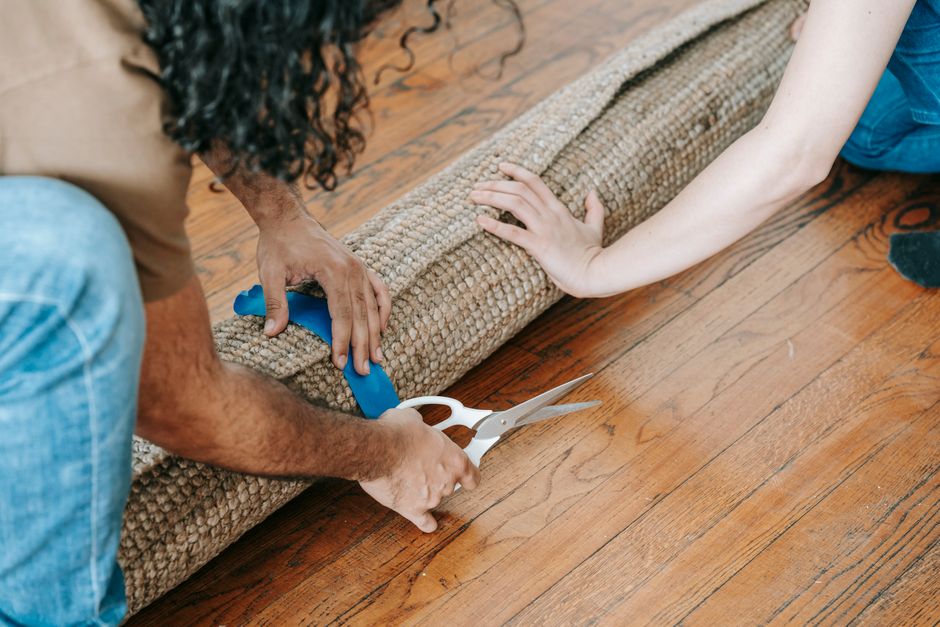
Repair or replace carpets in Merton Park: decision guide
If your carpet is looking tired, buckled, stained, or simply a bit beyond its best, the big question is rarely just "can it be fixed?" It is usually "should it be repaired, deep cleaned, or replaced altogether?" This Repair or replace carpets in Merton Park: decision guide is here to help you make that call with a clear head. The right answer depends on the condition of the carpet, the type of damage, the room it is in, and how long you want the result to last. In a place like Merton Park, where homes range from compact flats to family houses with well-used hallways, the decision can be surprisingly practical.
You will also find that a lot of carpet problems are not as dramatic as they first look. A small burn, a worn patch near a doorway, or a stubborn stain might not mean replacement at all. On the other hand, some carpets are simply at the end of their life, no matter how much we'd like to persuade ourselves otherwise. Let's be honest, we all do that little hopeful test: "Maybe if I move the furniture..."
This guide walks you through the signs, costs, pros and cons, and sensible next steps, so you can decide confidently. If cleaning or stain treatment is still in the mix, it can help to understand services such as professional carpet cleaning, steam carpet cleaning, and targeted stain removal before you commit to a bigger spend.
Table of Contents
- Why repair-or-replace decisions matter
- How the decision process works
- Key benefits and practical advantages
- Who this guide is for
- Step-by-step guidance
- Expert tips for better results
- Common mistakes to avoid
- Tools, resources and recommendations
- Law, compliance, standards and best practice
- Options and comparison table
- Case study or real-world example
- Practical checklist
- Conclusion
- Frequently asked questions
Why Repair or replace carpets in Merton Park: decision guide Matters
Carpet is one of those things people stop noticing until it starts causing friction. A worn stair edge catches your foot. A stain makes a room feel scruffy. A damaged patch draws the eye every time you walk in. In Merton Park, where many households want homes to look neat without spending money unnecessarily, the repair-versus-replace decision can have a real effect on comfort, budget, and resale appeal.
The main reason this choice matters is that carpet problems are not all the same. A localised issue often needs a localised solution. Replace the whole room too early and you may spend far more than necessary. Repair too late and you can end up paying for patchwork fixes that never quite settle in. The sweet spot is knowing which type of damage still makes financial and visual sense to fix.
There is also a sustainability angle. Repairing or cleaning first can reduce waste, which sits neatly with a more careful approach to household maintenance. If you prefer to keep things going a bit longer rather than sending material to landfill at the first sign of wear, you may also appreciate a company's wider approach to recycling and sustainability. That sort of thinking is not flashy, but it is sensible.
And then there is day-to-day living. A carpet that feels clean, smooth, and safe underfoot makes a room nicer to use. A carpet that is lifting, thin, or holding odours can quietly make the whole place feel off. Tiny thing, big impact.
How Repair or replace carpets in Merton Park: decision guide Works
The decision process is usually simpler than people expect. You inspect the damage, work out whether it is cosmetic or structural, estimate the likely cost of repair and replacement, and then think about how visible the problem is in the room.
A useful way to approach it is in three layers:
- Surface condition - Is the carpet dirty, flattened, stained, or faded, but still intact?
- Material condition - Are the fibres worn through, fraying, stretched, or separating at the seams?
- Practical condition - Is the carpet still comfortable, safe, and presentable for the way you use the room?
If the issue is mostly dirt, smell, or matted fibres, cleaning or specialist treatment may give you a strong result without replacing anything. If the issue is a small burn, isolated stain, or damaged edge, repair could be the smartest route. If there are multiple problems across the room, especially in a high-traffic area, replacement often becomes the cleaner long-term answer.
For example, a hallway carpet in a busy Merton Park house may be worn thin right at the threshold and along the main walking line. That is often a sign the material itself has reached the end of its useful life. But a lounge carpet with one wine stain near the sofa and otherwise healthy pile may be worth rescuing first. Different problem, different answer.
If your carpet issue sits alongside damage to furniture or soft furnishings, it can help to look at the full picture. Sometimes a room needs coordinated care, not just one isolated fix, which is where services like upholstery cleaning or sofa cleaning can support the overall result.
Key Benefits and Practical Advantages
Making the right call early has real benefits, and not just financial ones.
- Lower avoidable spend - Repairing a small problem can be far cheaper than replacing a full room of carpet.
- Better appearance - A tidy repair or deep clean can refresh a room much faster than a full refit.
- Less disruption - Repairs and cleaning are usually less intrusive than lifting old carpet, disposing of it, and installing new material.
- Longer usable life - A well-maintained carpet often lasts longer if stains, wear, and odours are dealt with promptly.
- Improved comfort and safety - Fixing loose edges, ripples, or worn patches can reduce trip risks and day-to-day annoyance.
- More sustainable choice - Keeping a serviceable carpet in use is often the more waste-conscious option.
There is also a psychological benefit people overlook. A carpet that looks cared for changes the feel of a room straight away. You stop mentally planning the next big job. The room relaxes a bit, and so do you. Sounds odd, maybe, but you notice it.
If odour is part of the problem, especially with pets, cleaning alone may not always solve it. In those cases, it is worth exploring pet stain and odour removal before jumping to replacement, because lingering smells can come from deep in the fibres or underlay rather than the visible surface.
Who This Is For and When It Makes Sense
This guide is for anyone in Merton Park trying to decide whether to spend a little, spend a lot, or wait. In practical terms, that includes homeowners, landlords, tenants, letting agents, and small businesses. It is also useful if you are preparing a property for sale or tenancy, because flooring can influence first impressions more than people admit.
It makes the most sense when:
- the carpet has one or two isolated issues rather than widespread failure
- you are dealing with stains, minor burns, pulled threads, or small worn areas
- the room is used lightly and the carpet still has useful life left
- you want to improve appearance without a full refurbishment
- you need a short-term fix before a larger renovation later
Replacement starts to make more sense when the carpet is old, thin, odorous, heavily patched, or repeatedly coming apart. If the underlay is failing too, the decision becomes even clearer. A carpet can only do so much if the support beneath it is tired.
Commercial spaces bring a different set of pressures. In offices or shared areas, appearance, durability, and downtime matter a lot. If you are dealing with a workplace floor, take a look at commercial carpet cleaning as a first step before deciding on full replacement. It may buy you time and keep the space presentable while you plan bigger works.
Step-by-Step Guidance
Here is a practical way to work through the decision without overthinking it.
- Check the age and usage level
Has the carpet had a long life in a high-traffic area, or is it relatively young and only lightly used? Age alone is not decisive, but it helps frame the rest of the decision. - Identify the damage type
Look for stains, burns, fraying, matting, ripples, seam splits, and smell. Some problems are cosmetic; others suggest deeper wear. - Test the texture and backing
Run your hand across the pile. If the fibres feel flat but intact, cleaning may help. If the backing is cracking or the carpet feels brittle, replacement may be closer. - Measure the damage area
A small isolated mark can often be treated or patched. Several large affected areas can make repair look fiddly and uneven. - Consider visibility
A defect in a hidden corner is one thing. A defect in the middle of the living room, directly in your line of sight, is another. Be fair to your own eyes here. - Compare likely outcomes
Ask yourself whether the repair will blend properly and last, or whether it will always look like a repair. That matters more than people think. - Factor in future plans
If you plan to redecorate soon, a temporary repair may be enough. If you want the room finished properly for several years, replacement may be the better investment.
For small, stubborn marks, targeted treatment can be enough. A proper steam carpet cleaning process may lift soil and refresh the pile far more effectively than a DIY attempt. Not every stain is a life sentence, despite what it looks like at first glance.
Expert Tips for Better Results
In our experience, the best carpet decisions tend to come from calm inspection rather than panic. A few useful rules of thumb help.
- Fix small problems early - A loose edge or minor stain is easier to handle than a problem that has spread.
- Match the solution to the cause - Don't replace a carpet that simply needs cleaning, and don't keep cleaning one that is structurally worn out.
- Think in zones - Hallways, stairs, and entrances wear differently from bedrooms. One room may need replacing while another does not.
- Ask how visible the repair will be - Good repairs can be hard to spot, but poor ones can stand out even more than the original flaw.
- Use the underlay as a clue - If the underlay feels collapsed or uneven, the carpet may be telling you it is time to stop patching.
- Don't ignore the smell test - If a carpet looks okay but carries persistent odours, especially after cleaning, something deeper may be going on.
A good cleaner or inspector will usually look at more than the surface. They will consider how the carpet behaves underfoot, how it responds to cleaning, and whether a repair will genuinely hold. That broader view is worth having.
One more thing: if you are unsure, a second opinion is rarely wasted. Carpet decisions can be surprisingly subjective, and an experienced eye can save you from replacing something that still has plenty of life left.
Common Mistakes to Avoid
Most carpet replacement regrets come from acting too quickly or too slowly.
- Replacing after one bad stain - That is often overkill unless the carpet is already worn out.
- Repairing a carpet that has widespread failure - You can spend time and money on a result that still looks tired.
- Ignoring the underlay - A new carpet over damaged underlay can feel disappointing from day one.
- Choosing repair without considering colour match - A visible patch that clashes can look worse than the original damage.
- Skipping proper cleaning before replacement - Sometimes a room simply needs a reset, not a full refit.
- Forgetting about the rest of the room - A carpet can be the cleanest part of the room and still look wrong if nearby textiles are grubby.
There is a funny little trap here. People sometimes decide the carpet is "done" when what they really mean is "I am fed up with looking at this stain." Fair enough, but that is not always the same as needing a new floor.
If a room has several soft furnishings that are also looking a bit weary, you may get better overall value by refreshing the whole space gradually. Services like rug cleaning and curtain cleaning can help lift the room's appearance without starting from scratch.
Tools, Resources and Recommendations
You do not need a toolbox full of specialist gear to make a sensible decision, but a few basics help.
- A torch - useful for checking wear, fraying, and pile direction in dim corners.
- A ruler or tape measure - helpful when comparing the size of a damaged area.
- A clean white cloth - useful for testing surface transfer when assessing dirt or residue.
- Photos in daylight - one of the simplest ways to see whether a defect is really as bad as it seems.
- Notes on age and previous cleaning - old maintenance history can clarify whether the carpet has already had a good run.
When you want a professional view, start with the service most closely aligned to the problem. For example, stubborn soil and general dullness are often best explored through carpet cleaning, while localised damage may require a more targeted approach. If you are comparing options and need clarity around scope, it is sensible to review pricing and quotes before you commit.
For peace of mind, service details matter too. Households often want to know about practical protections, so pages covering insurance and safety, health and safety policy, payment and security, and terms and conditions are worth a look if you are booking any professional carpet work. It is not thrilling reading, granted, but it is the sort of detail that helps you feel settled.
Law, Compliance, Standards, or Best Practice
For domestic carpet decisions, there is usually no special legal rule forcing repair or replacement. That said, best practice still matters. In rental properties, for example, flooring should be kept in a condition that is safe, clean, and broadly fit for purpose. In workplaces, carpets should not create avoidable hazards such as loose edges or trip risks. Common sense, really, but worth stating plainly.
If you are a tenant, landlord, or managing agent, it is sensible to keep records of damage, cleaning, and repairs. That helps when deciding whether wear is ordinary use or something more significant. For businesses, the appearance of flooring also feeds into customer impressions and day-to-day professionalism. A shabby carpet can quietly undermine an otherwise tidy room.
On the service side, there are also trust and process expectations. A provider should be clear about what they can and cannot restore, what the likely outcome is, and when replacement is the better option. That kind of honest guidance is a hallmark of decent practice. You want the truth, not a sales pitch in a nice jacket.
Where odour, damp, or potential safety concerns are present, it is sensible to stop and assess before proceeding. Sometimes the right answer is a proper clean and dry-out. Sometimes it is replacement because the backing or underlay has failed. Be cautious rather than optimistic if the carpet feels unstable or smells persistently musty.
Options and Comparison Table
Here is a simple way to compare the main options.
| Option | Best for | Typical strengths | Limitations |
|---|---|---|---|
| Spot repair | Small burns, tears, isolated damage | Cost-effective, quick, minimal disruption | May be visible if colour or texture does not match |
| Deep cleaning | Soil, dullness, light odour, general tiredness | Refreshes appearance, improves hygiene, extends life | Won't fix structural wear or fibre loss |
| Targeted stain treatment | Stubborn marks and spills | Good for localised issues, can restore appearance well | Success depends on stain type and how long it has been there |
| Full replacement | Heavy wear, widespread damage, failing backing | Clean finish, long-term solution, better for heavily aged carpet | Higher cost, more disruption, more waste |
If your room is a patchwork of one problem after another, replacement may be the sanest route. If not, a combination of cleaning and repair often gives the best value. In a typical Merton Park household, that middle path is more common than people expect.
Case Study or Real-World Example
Imagine a small terraced home near Merton Park where the living room carpet has one dark coffee stain, a flattened area by the sofa, and a small pulled thread near the doorway. The first instinct might be to replace the lot. But once you separate the issues, the picture changes.
The stain might respond well to specialist treatment. The flattened area could improve with a proper clean and pile restoration. The pulled thread might be trimmed or repaired neatly. Suddenly the room is usable and presentable again, without the cost and disruption of a full refit. That is often the real value of taking a methodical approach.
Now compare that with a hallway carpet that is thin through the centre, fraying at the edges, showing ripples after stretching, and carrying a musty smell even after cleaning. At that point, trying to rescue it becomes a bit of a habit rather than a solution. You can keep propping it up, sure, but the result will not last. Replacement is probably the cleaner call.
The difference between those two examples is simple: one has isolated problems, the other has systemic wear. That distinction saves money and avoids disappointment. It is not glamorous, but it works.
Practical Checklist
Use this quick checklist before you decide.
- Is the damage localised or spread across the room?
- Does the carpet still feel firm and stable underfoot?
- Is the issue mostly visual, or does it affect safety and comfort?
- Have you already tried professional cleaning or stain treatment?
- Would a repair blend in well enough to look natural?
- Is the underlay still in decent condition?
- Will the room be redecorated soon, or do you want a long-term fix?
- Is the carpet in a high-traffic area like a hallway or stairs?
- Does the carpet smell clean after treatment, or does odour remain?
- Would replacing now prevent repeated spending later?
If you can answer most of those confidently, the decision usually becomes clearer. If not, that is fine too. Sometimes the right next step is simply getting a professional opinion before making a move.
Conclusion
Choosing whether to repair or replace carpets in Merton Park is really about matching the solution to the condition of the carpet, not reacting to the first visible flaw. A small stain, minor tear, or isolated worn patch may be worth repairing or cleaning. A carpet with widespread wear, repeated damage, or failing backing is usually better replaced. The middle ground exists, and it often saves the most money.
What matters most is a clear-eyed assessment. Look at the damage, think about how the room is used, and decide whether the carpet still has practical life left in it. That approach is usually calmer, cheaper, and more satisfying in the long run. And yes, it is also less likely to leave you staring at the floor wondering if you made the wrong call.
Get a free quote today and see how much you can save.
When the right choice is made, a room feels lighter somehow. Not perfect, just properly looked after. That is often enough.
Frequently Asked Questions
How do I know if my carpet needs repair or replacement?
Start by looking at the scale of the damage. Small burns, isolated tears, and single stains can often be repaired or cleaned. If the carpet is thin, fraying, lifting, or damaged in several places, replacement is usually the better long-term option.
Is carpet cleaning worth trying before replacing?
Yes, in many cases. If the main problem is dirt, dullness, light odour, or flattened pile, professional cleaning may improve the carpet enough to delay replacement. It will not fix structural wear, though.
Can a damaged carpet be patched neatly?
Often, yes. A patch can work well when the damage is small and there is matching material available. The success depends on the carpet style, pile direction, and how visible the area is.
What signs mean replacement is the smarter choice?
Widespread wear, repeated repairs, failing backing, ripples, frayed edges, persistent smells, and obvious thinning are all signs the carpet may be nearing the end of its useful life.
Should I replace the underlay at the same time?
If the underlay feels collapsed, uneven, or tired, replacement usually makes sense. A new carpet on poor underlay will not feel as good and may wear badly sooner than expected.
How long should a carpet last before I think about replacing it?
There is no fixed timeline that suits every home. It depends on quality, use, maintenance, and room type. A bedroom carpet may last much longer than a hallway carpet because it gets less wear.
Is repair cheaper than replacement every time?
Usually, yes, but not always in a useful way. If a carpet needs repeated repairs or the repair would be very visible, replacement may deliver better value over time.
What if the carpet smells bad but looks fine?
That often points to something deeper, such as trapped odour in the fibres or underlay. A proper clean can help, but persistent smells after treatment may mean the carpet or underlay is no longer worth keeping.
Can I repair a carpet myself?
Minor fixes are possible, but the results can be uneven if you are not used to matching pile and texture. For anything visible or valuable, professional repair or cleaning is usually safer.
Does a carpet repair show in the finished room?
It can, depending on the damage, the carpet colour, and how well the repair is matched. A good repair should blend in as much as possible, but some fixes are more noticeable than others.
What is the best option for a carpet with pet stains?
Pet stains need fast action. Cleaning and targeted pet stain odour removal can often improve the carpet if the damage is localised. If the smell or staining has spread deeply, replacement may be the cleaner solution.
Who should I ask for help if I'm still unsure?
A professional carpet cleaner or flooring specialist can usually help you judge whether the carpet is repairable, cleanable, or beyond saving. A short inspection can save a lot of guesswork, and honestly, that is often the easiest way forward.